Tuesday, October 6, 2009

Monday, October 5, 2009
http://www.wonderhowto.com/how-to/video/how-to-learn-about-stop-motion-animation-theory-258516/view/
A link to a help video about the theory of stop motion
A link to a help video about the theory of stop motion
Persistence of vision
Persistence of vision
From Wikipedia, the free encyclopedia
Jump to: navigation, search
This article is about the theory on human vision. For other uses, see Persistence of vision (disambiguation).
In the lilac chaser, we see a moving purple dot (a standard illustration of the phi phenomenon). However, if you stare at the image for long enough the dot appears to erase itself. This is because the dot produces an afterimage which is green (the complimentary colour of the original dot). When the green afterimage combines with a purple dot, a gray dot is produced, exactly the same colour of the background. Now, the existence of after image is presumed to be evidence for the persistence of vision hypothesis, but as you can see here, the afterimage actually interferes with the movement of the dot. Thus the presence of after image cannot be the cause of the movement.
Persistence of vision is the phenomenon of the eye by which an afterimage is thought to persist for approximately one twenty-fifth of a second on the retina.
The myth of persistence of vision is the mistaken belief that human perception of motion (brain centered) is the result of persistence of vision (eye centred). The myth was debunked in 1912 by Wertheimer[1] but persists in many citations in many classic and modern film-theory texts.[2][3][4] A more plausible theory to explain motion perception (at least on a descriptive level) are two distinct perceptual illusions: phi phenomenon and beta movement.
Film academics and theorists generally have not. Some scientists nowadays consider the entire theory a myth.[5]
In contrasting persistence of vision theory with phi phenomena, a critical part of understanding that emerges with these visual perception phenomena is that the eye is not a camera. In other words vision is not as simple as light passing through a lens, since the brain has to make sense of the visual data the eye provides and construct a coherent picture of reality. Joseph Anderson and Barbara Fisher argue that the phi phenomena privileges a more constructionist approach to the cinema (David Bordwell, Noël Carroll, Kirsten Thompson), whereas the persistence of vision privileges a realist approach (Andre Bazin, Christian Metz, Jean-Louis Baudry)[5].
The discovery of persistence of vision is attributed to the Roman poet Lucretius, although he only mentions it in connection with images seen in a dream. [6]. In the modern era, some stroboscopic experiments performed by Peter Mark Roget in 1824 were also cited as the basis for the theory. [7]
From Wikipedia, the free encyclopedia
Jump to: navigation, search
This article is about the theory on human vision. For other uses, see Persistence of vision (disambiguation).
In the lilac chaser, we see a moving purple dot (a standard illustration of the phi phenomenon). However, if you stare at the image for long enough the dot appears to erase itself. This is because the dot produces an afterimage which is green (the complimentary colour of the original dot). When the green afterimage combines with a purple dot, a gray dot is produced, exactly the same colour of the background. Now, the existence of after image is presumed to be evidence for the persistence of vision hypothesis, but as you can see here, the afterimage actually interferes with the movement of the dot. Thus the presence of after image cannot be the cause of the movement.
Persistence of vision is the phenomenon of the eye by which an afterimage is thought to persist for approximately one twenty-fifth of a second on the retina.
The myth of persistence of vision is the mistaken belief that human perception of motion (brain centered) is the result of persistence of vision (eye centred). The myth was debunked in 1912 by Wertheimer[1] but persists in many citations in many classic and modern film-theory texts.[2][3][4] A more plausible theory to explain motion perception (at least on a descriptive level) are two distinct perceptual illusions: phi phenomenon and beta movement.
Film academics and theorists generally have not. Some scientists nowadays consider the entire theory a myth.[5]
In contrasting persistence of vision theory with phi phenomena, a critical part of understanding that emerges with these visual perception phenomena is that the eye is not a camera. In other words vision is not as simple as light passing through a lens, since the brain has to make sense of the visual data the eye provides and construct a coherent picture of reality. Joseph Anderson and Barbara Fisher argue that the phi phenomena privileges a more constructionist approach to the cinema (David Bordwell, Noël Carroll, Kirsten Thompson), whereas the persistence of vision privileges a realist approach (Andre Bazin, Christian Metz, Jean-Louis Baudry)[5].
The discovery of persistence of vision is attributed to the Roman poet Lucretius, although he only mentions it in connection with images seen in a dream. [6]. In the modern era, some stroboscopic experiments performed by Peter Mark Roget in 1824 were also cited as the basis for the theory. [7]
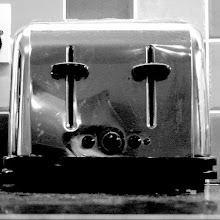
A photoshoot to try something a bit different...


I wanted to try a bit of a different approach from stop motion so I decided to take some still photos, I like how they look but I think just having a photo is almost like its one frame taken from an animation and its begging to be animated fully. Maybe that's just because I have been animating so much lately.
Eyes I used


Although these eyes look quite simple they each took me over 3 hours to make, I think it was trying to get them looking round and smooth that did it, and keeping them as identical as I could get them. They look a bit beat up now after use, I want to keep them but they're made of plasticine so they will probably be formed into something new soon. I made the TV eyes for the third time because I have decided to animate the eyes on the actual screen, not play a video of the eyes on a dvd. This is so all the animations are in keeping with the same method of animation, I don't want three to be stop motion and one to be a video in a video of stop motion.
Saturday, October 3, 2009
The actual eyes animation I used for crit week
In forgot to upload this from a while ago, these eyes were better than the first eyes I did. I made the blink shorter, so it looks more blink-like. I prefer the shape and size of these eyes too, I like that they look slighter sleepier and bored.
Disney/Pixar 'Cars'


I find it interesting that this movie was made with such blatant cliches for characters. The buck-toothed pick up truck, and the dopey looking volts wagen van being prime examples. I wasn't expecting in a childrens film to see such stereotypes, the car's personalities are like the type of person you would "expect" to be driving these cars, Disney Pixar should have been a bit more original.


Thursday, October 1, 2009
Not quite sure what this is...
Choosing the object of your affection
The most important element of falling in love with an inanimate object is having an initial attraction to the object. A desire to get to know the object better as well as a continuing desire to spend time with it are essential if your initial attraction is going to blossom into love. This makes it important that the object you choose does not rot, spoil or dissolve easily. An ice cube is a poor choice if you want to spend long periods of time sitting on the couch watching television. A better selection in that case would be a coffee cup or a lamp.
Larger objects, such as sofas and twenty foot lengths of stainless steel tubing make poor choices if you plan to take your new love on outings or lengthy vacations. Select something more manageable, such as a vase or handbag. Those items have both beauty and functionality and can be a compliment rather than an encumbrance. If you are more the type to spend time at seedy neighborhood bars or barbeques where the host wears white v-necked tee shirts, then perhaps a toaster or hammer might be up your alley.
Making your move
The right atmosphere is important for first impressions. Even more important is that after you notice the inanimate object you be certain it is prepared to be approached. If you start to make your move and then realize the towel you felt attracted to is now being used to dry someone, then you have wasted a great deal of emotion and energy on a prospect that you probably won't get a second chance with. Make certain you have an adequate window of time to make your move and establish contact.
Be cautious about being overly physical when you first make your move. This is especially important if you are not certain you are alone with your new partner. People and animals may react strongly to your advances on the inanimate object. Remember, there will be plenty of time for gentle kissing and petting of your Rolodex or throw pillow later on in the relationship.
Falling in love
This can be a slow process or it can happen quite suddenly. Once your feel the initial attraction, you are going to have to allow time for your feelings to deepen and grow. You need to accept the limitations of your partner, which range from the inability to show affection to conversational inadequacies. However, if you are the type of person who likes to manipulate and control your partner, falling in love with an inanimate object may be very much to your liking.
Respecting your new partner
The rights of inanimate objects are currently not upheld in the court system. In almost all relationships with inanimate objects, they are considered your property. Exceptions include the object belonging to someone other than yourself and the object being a protected artifact or work of fine art.
The respect you grant your inanimate object is privy to your own whims and desires. However, if you respect the concept of love, then you will respect your new life partner and protect and honor it always... or at least until you notice a shiny beach ball in your neighbor's yard that catches your fancy.
Written by "TheDeadGuy", from everything2.com
A documentary about women who fall in love with inanimate objects
The most important element of falling in love with an inanimate object is having an initial attraction to the object. A desire to get to know the object better as well as a continuing desire to spend time with it are essential if your initial attraction is going to blossom into love. This makes it important that the object you choose does not rot, spoil or dissolve easily. An ice cube is a poor choice if you want to spend long periods of time sitting on the couch watching television. A better selection in that case would be a coffee cup or a lamp.
Larger objects, such as sofas and twenty foot lengths of stainless steel tubing make poor choices if you plan to take your new love on outings or lengthy vacations. Select something more manageable, such as a vase or handbag. Those items have both beauty and functionality and can be a compliment rather than an encumbrance. If you are more the type to spend time at seedy neighborhood bars or barbeques where the host wears white v-necked tee shirts, then perhaps a toaster or hammer might be up your alley.
Making your move
The right atmosphere is important for first impressions. Even more important is that after you notice the inanimate object you be certain it is prepared to be approached. If you start to make your move and then realize the towel you felt attracted to is now being used to dry someone, then you have wasted a great deal of emotion and energy on a prospect that you probably won't get a second chance with. Make certain you have an adequate window of time to make your move and establish contact.
Be cautious about being overly physical when you first make your move. This is especially important if you are not certain you are alone with your new partner. People and animals may react strongly to your advances on the inanimate object. Remember, there will be plenty of time for gentle kissing and petting of your Rolodex or throw pillow later on in the relationship.
Falling in love
This can be a slow process or it can happen quite suddenly. Once your feel the initial attraction, you are going to have to allow time for your feelings to deepen and grow. You need to accept the limitations of your partner, which range from the inability to show affection to conversational inadequacies. However, if you are the type of person who likes to manipulate and control your partner, falling in love with an inanimate object may be very much to your liking.
Respecting your new partner
The rights of inanimate objects are currently not upheld in the court system. In almost all relationships with inanimate objects, they are considered your property. Exceptions include the object belonging to someone other than yourself and the object being a protected artifact or work of fine art.
The respect you grant your inanimate object is privy to your own whims and desires. However, if you respect the concept of love, then you will respect your new life partner and protect and honor it always... or at least until you notice a shiny beach ball in your neighbor's yard that catches your fancy.
Written by "TheDeadGuy", from everything2.com
A documentary about women who fall in love with inanimate objects
'Inanimate Objects'
Inanimate Objects from Carrotkid on Vimeo.
"When the humans are away the objects will play" A stop motion film I found on the internet, by "Carrotkid"
Subscribe to:
Posts (Atom)